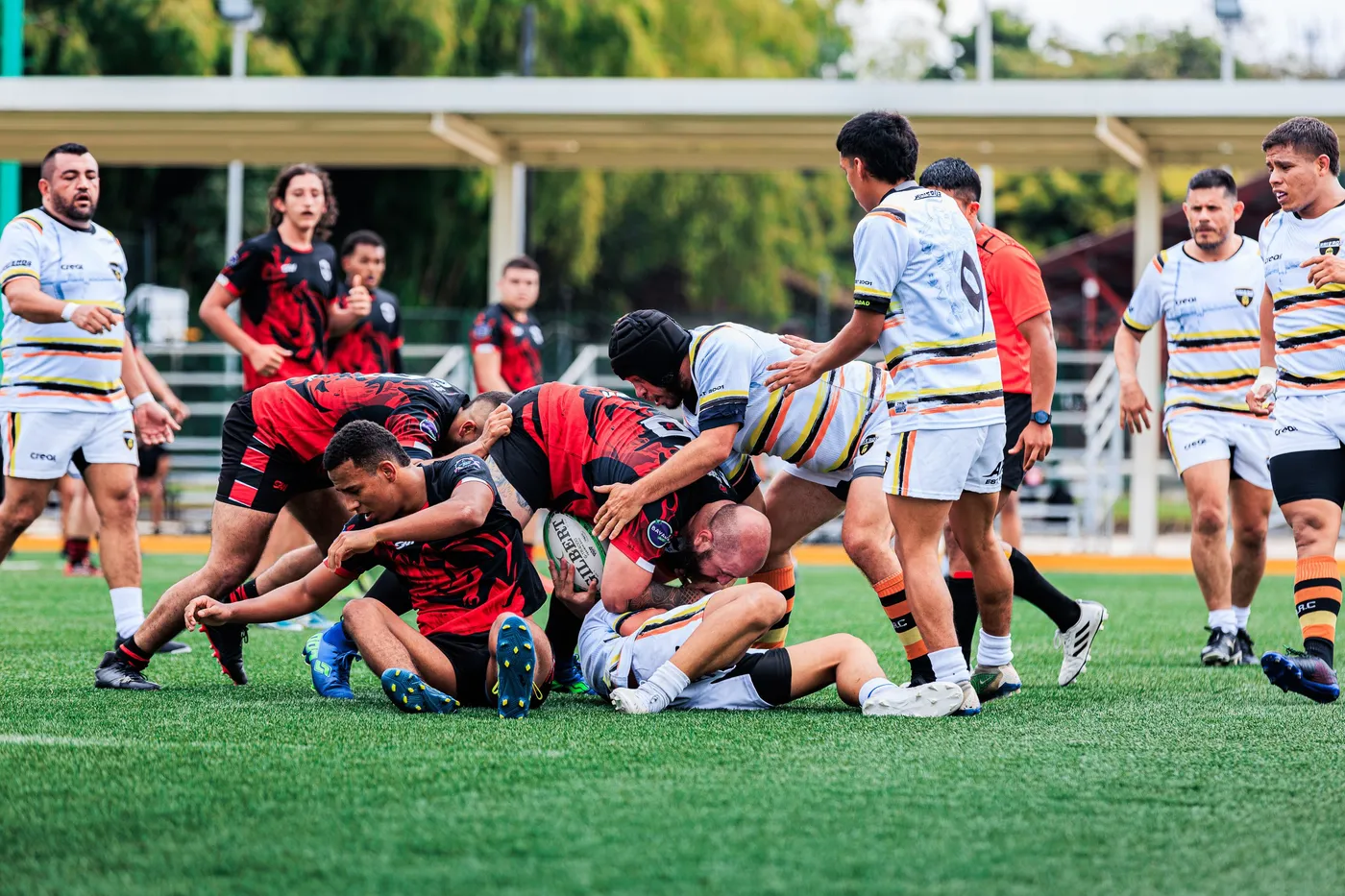
Use rugby team fines to support agreed practical responsibilities. Set clear rules for kit, replies and shared duties, avoid drinking requirements or penalties for sporting mistakes, and keep payment records factual.
Rugby involves shared effort away from the pitch as well as on it. Equipment needs carrying, kit needs washing and away travel needs organising. When the same members always do those jobs, frustration can build. A small fine catalog can make agreements more visible. Its main purpose should be reliable shared duties, rather than finding as many opportunities as possible to collect money from the squad.
Agree the duties before their consequences
List the jobs that actually exist in your team. Who brings the training balls? Who takes the kit after an away match? Who collects travel replies? Define the task, deadline and deputy before discussing an amount. An unclear assignment is an organisational issue. It does not become fairer because someone retrospectively selects a player to be responsible for what went wrong.
Distinguish regular duties from extra voluntary help. Carrying equipment once does not mean a person has accepted the same job for the entire season. Explicit confirmation protects reliable volunteers and new members who do not know the team’s unwritten habits. A visible rota allows jobs to rotate without making the captain personally remind the same people every week. That foundation matters more than the fine attached to a missed duty.
A sample list for adult rugby teams
The following pound amounts are invented discussion examples. They do not reproduce official rugby regulations or standard club charges. Adopt only entries the adult squad voluntarily and explicitly agrees to use, and reduce or replace payments where that suits the group better.
| Area | Specific agreement | Example amount |
|---|---|---|
| Meeting time | Arrive after the agreed time without a message | £2 |
| Training equipment | Miss an accepted duty without confirmed cover | £2 |
| Balls | Fail to hand the agreed ball bag to the next person | £2 |
| Kit | Forget a confirmed washing or return duty | £3 |
| Availability | Miss an agreed reply deadline without notice | £1 |
| Away travel | Miss a confirmed lift without cancelling | £2 |
| Team room | Skip an assigned clear-up duty without arranging cover | £2 |
| Shared accessories | Fail to return accepted club equipment to the agreed place | £2 |
Start with a few rules. Decide whether one connected incident produces only one entry, and consider a modest per-session cap if that helps your group. A forgotten bag should not automatically turn into several unrelated debts. Amounts need to be understandable and comfortable. Higher charges do not prove that an agreement is stronger or that a team has a better culture.
Make equipment duties realistic
Some training equipment is bulky. Agree how many people a job needs and who can access the store. Assigning one volunteer a task they cannot reasonably complete alone is not a fair basis for a penalty. Check that vehicles, keys or collection times are available before responsibility is finalised. An accepted job should come with the practical means to do it, not an assumption that the volunteer will improvise.
Report missing or damaged equipment to the responsible club contact. Safety-related decisions do not belong in an improvised fine debate. Nobody should use unsuitable equipment or conceal physical symptoms to avoid a payment. This catalog covers organisational agreements; decisions about equipment suitability, training load or injury belong with appropriately qualified people. Keeping that distinction clear makes it easier for a teammate to raise a problem promptly.
Keep team rituals voluntary
Shared rituals can be enjoyable when people genuinely want to participate. Compulsory drinking, risky tasks and embarrassing public performances are not part of this proposal. A new player should not have to pass an uncomfortable initiation to belong. Anyone should be able to decline a ritual without explaining personal, health or religious reasons to the whole squad. Agreement needs to remain meaningful after someone joins.
If the group enjoys playful tasks, choose small voluntary contributions: suggest a playlist, prepare a team quiz or help with the next equipment check. Offer an equally acceptable neutral alternative. Our 30 funny team fines ideas give practical examples. Watch for a voluntary contribution gradually turning into a recurring extra job for the same quiet or reliable person, while the rest of the rota remains unchanged.
Keep sporting matters separate
Passing errors, lost possession, the match result and a referee’s decision do not automatically become entries in this team fund. Coaching feedback, official sporting sanctions and internal organisational agreements have different purposes. Do not merge them into a list whose amounts the squad changes informally. Official matters need the relevant club and competition process, rather than an improvised entry based on frustration after a game.
A player who cannot train should be able to say so openly. A catalog that charges for every absence without exceptions creates poor incentives. Define a reasonable communication duty instead, allowing for unexpected circumstances. The relevant question is whether a message was possible, not whether somebody has publicly justified being unwell. Discuss that distinction before the first record so the captain and treasurer apply the same approach.
Make travel and availability specific
For an away fixture, publish a precise meeting point, a time and confirmed lift arrangements. “We are travelling together” is not enough information to assign responsibility. Agree when replies are needed and who collects changes. If someone’s journey falls through, the update should reach that contact directly where possible. A message buried in another conversation may never reach the person waiting at the meeting point.
Handle a missed journey practically first. Is the person safe, do they need help and is there an alternative? Review any team agreement later. Somebody affected by an unavoidable disruption should not receive several charges for the same underlying problem. Agree this before matchday, rather than leaving two administrators to interpret the event differently after the game when everyone’s attention is already elsewhere.
Keep the record brief and understandable
Record the player, date, agreed rule and amount. Before saving, check whether a duty was swapped or an exception confirmed. Update payment status only after money has actually arrived. A private reminder can state the reason and outstanding total without accusation. The unpaid fines templates show how to ask about an unclear transaction before assuming that the player ignored the agreement.
ClubFines supports a custom catalog, player records and shared visibility of team fines. It does not process money. A separate cashbook may still be useful for other income and expenditure. Our spreadsheet template illustrates the difference between money owed and funds actually held. Choose one authoritative fine record so entries are not maintained differently in an app, spreadsheet and chat at the same time.
Review the first month together
Ask whether duties are shared more evenly and whether fewer handovers are left unclear. Include newer and quieter members in the discussion. A rule that only works after repeated arguments needs better wording or removal. The number of recorded fines is not a success measure. A well-organised month can pass without a single new entry, and that should be considered a good result for the squad.
Date any changes and tell the team which version now applies. At season end, transfer actual funds, records and unresolved items deliberately. The season close guide includes a checklist for that process. A useful rugby fines list supports everyday cooperation without reducing a team to a collection of mistakes. Reliable help and transparent agreements remain the foundation, with the ledger simply documenting the small part that needs recording.